01
Product & solution scope
Record the customer journeys, operator tasks, rules, modules, external providers, outputs, exclusions, and acceptance points.
Spolith works with operating companies that need a configurable platform, not a one-off website or a disconnected collection of software tools.
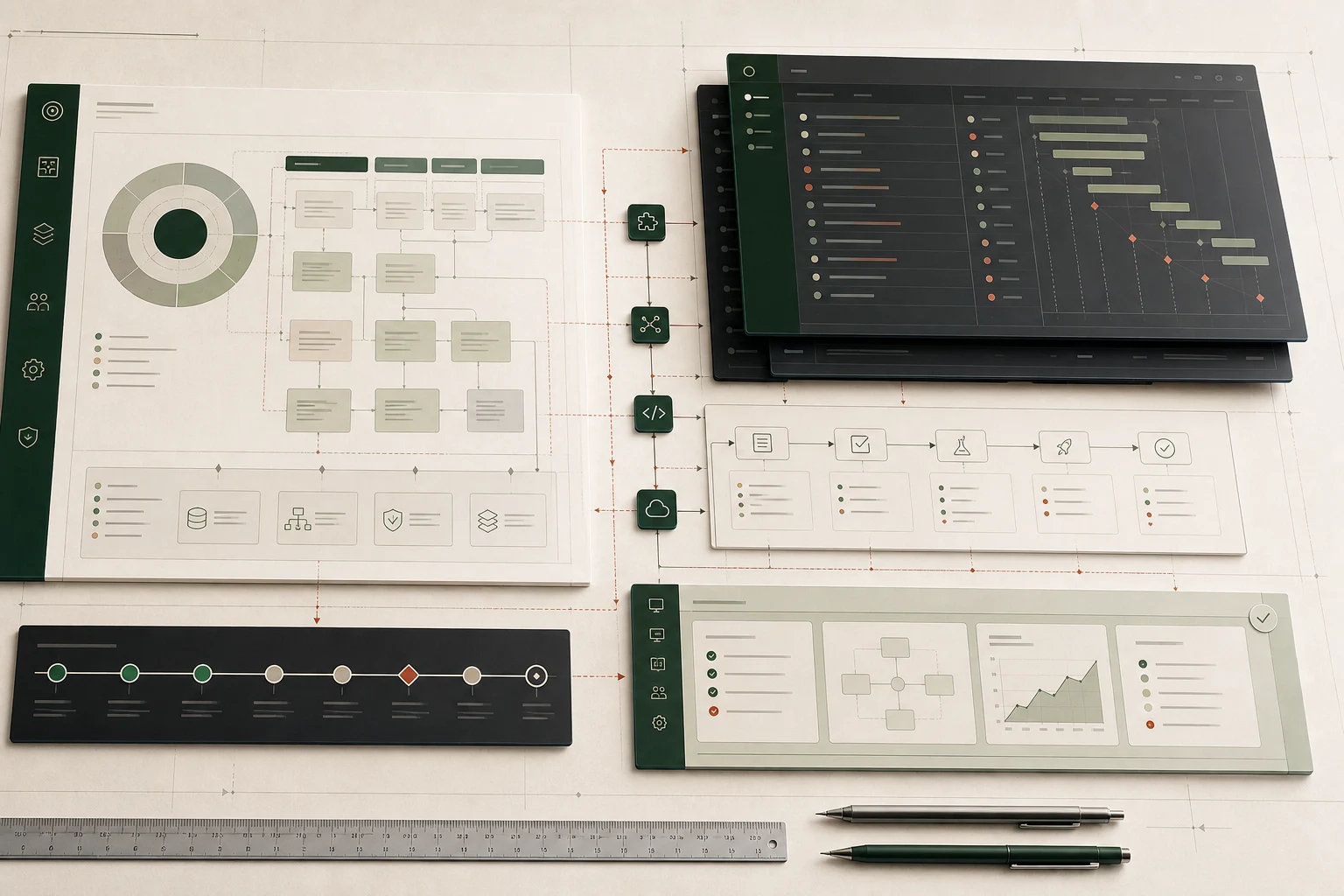
Spolith provides the platform licence and coordinates the agreed product, design, engineering, integration, release, and operating-readiness work under one commercial scope.
The contract defines selected modules, configuration, third-party responsibilities, environments, acceptance evidence, launch support, service levels, exclusions, and the process for later changes.
The goal is to remove ambiguity before launch: what is included, who provides each dependency, what evidence is required, and who owns operation afterward.
Record the customer journeys, operator tasks, rules, modules, external providers, outputs, exclusions, and acceptance points.
Configure the agreed brand, market, account, content, permission, workflow, and reporting requirements.
Assign provider and interface owners, prepare environments and credentials, test expected and failed flows, and manage dependencies.
Prepare access, workflow, release checks, support routes, known limitations, launch ownership, and contracted post-launch change.
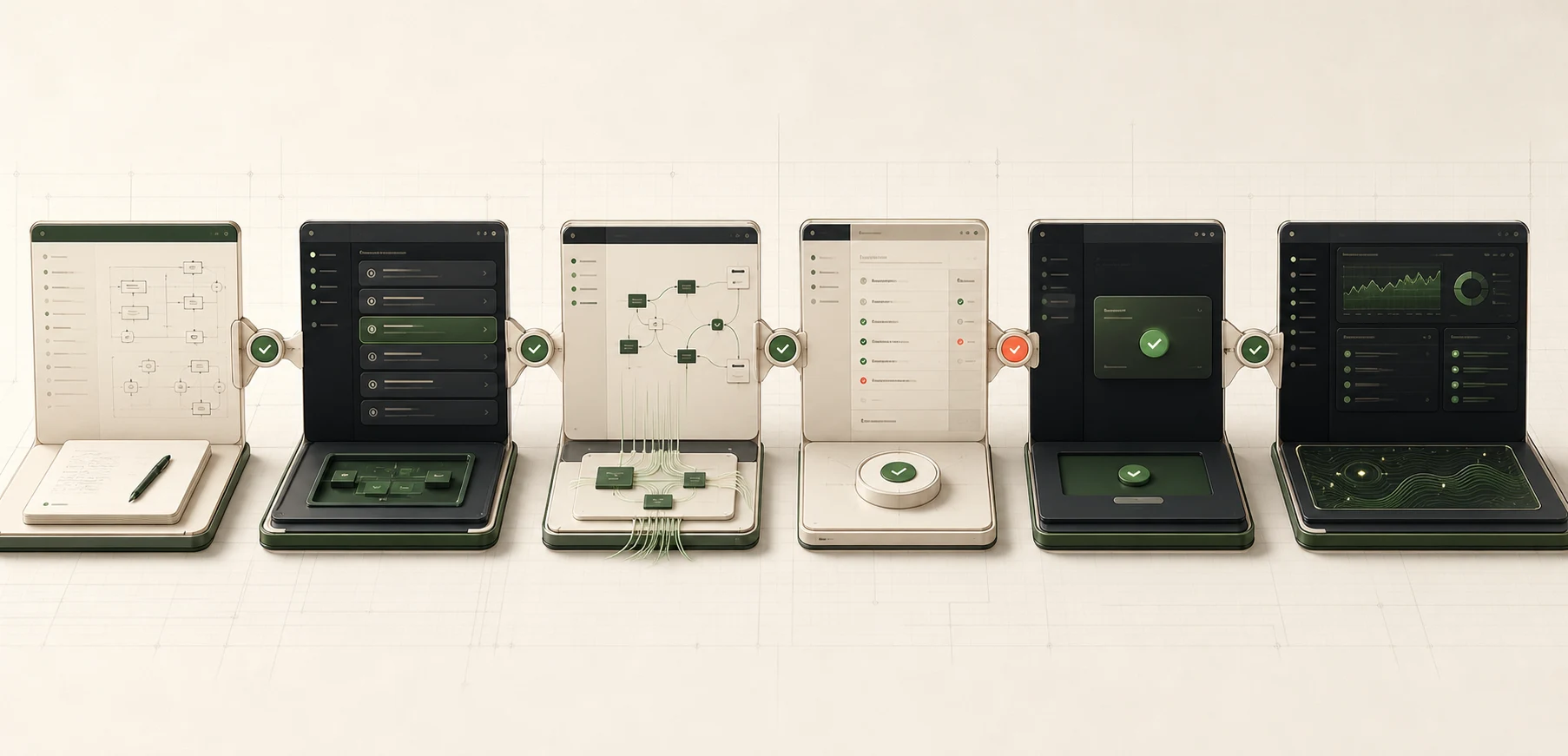
Launch readiness requires the agreed customer and operator flows, external services, access, exception handling, known limitations, support routes, and ownership to be ready for the target environment.
Spolith remains responsible for the customer relationship and agreed platform scope while the required product, design, engineering, integration, and operational disciplines work against the same delivery baseline.
Spolith provides the customer-facing scope, commercials, delivery coordination, and agreed service relationship.
Dependencies, provider inputs, environments, acceptance evidence, exclusions, and unresolved decisions stay visible.
A deployment claim is not treated as launch readiness without the agreed functional and operating evidence.
Support, incidents, planned changes, release coordination, and service levels follow the contracted model.
Not every enquiry enters implementation. The initial review confirms whether the operating model and required scope fit the platform before detailed commercials are prepared.
Review the operating model, current systems, required channels, providers, roles, and target window.
Agree modules, outputs, responsibilities, dependencies, environments, acceptance, commercials, and exclusions.
Configure the platform, coordinate integrations, validate flows, and track evidence and limitations.
Complete release readiness, access, operating preparation, issue routes, and agreed launch support.
Handle contracted support, incidents, planned changes, and later releases through the agreed service model.
The final structure is engagement-specific and recorded in the signed agreement.
The selected platform modules and permitted operating scope, subject to the executed commercial terms.
Product and solution definition, configuration, integration coordination, validation, release preparation, and handover as listed in scope.
Contracted support hours, incident responsibilities, service levels, monitoring expectations, planned changes, and release coordination.
Customer and third-party dependencies, acceptance, exclusions, data and access responsibilities, environments, and change process.